Buy babybrands.eu ?
We are moving the project
babybrands.eu .
Are you interested in purchasing the domain
babybrands.eu ?
domain@kv-gmbh.de · 0541-91531010
Buy babybrands.eu ?
Is cloning identity fraud?
Cloning is not the same as identity fraud. Cloning refers to the creation of a genetically identical copy of an organism, while identity fraud involves using someone else's personal information for fraudulent purposes. While cloning may raise ethical and moral concerns, it is not the same as the criminal act of identity fraud. However, the potential misuse of cloned genetic material could potentially lead to identity fraud if used to create false identities. **
What does cloning mean?
Cloning is the process of creating an identical copy of an organism or a specific gene or DNA sequence. This can be done through various techniques, such as somatic cell nuclear transfer or gene cloning. Cloning can be used for a variety of purposes, including scientific research, medical treatments, and agricultural practices. However, it also raises ethical and moral concerns, particularly when it comes to cloning humans. **


Similar search terms for Cloning
Top-Angebote
Products related to Cloning:
-
Halibut Change Diapers Repair Ointment 50gA skin-care product for redness. This product helps to repair the skin on the persistent diaper rash. Repairing skin care in diaper rash. With zinc oxide and miconazole, they help to repair and control the proliferation of microorganisms in the skin. Indicated for irritation, diaper rash and/or redness in the baby's.11,64 £*Shipping: 5,34 £Secure redirect to the provider
-
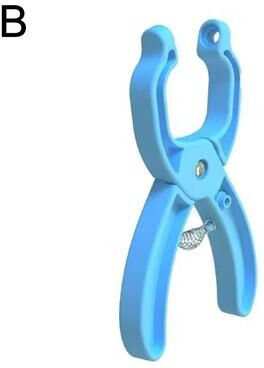
Uplift Essentials Safety Eye Installation Tool For Plush Toys And Crochet Projects blueSimplify your plush toy and crochet crafting with the Safety Eye Installation Tool the musthave accessory for securely attaching safety eyes and washers. Designed to fit sizes from 5mm to 30mm, this tool helps you install eyes evenly and safely...41,97 $*Shipping: 0,00 $Secure redirect to the provider
-
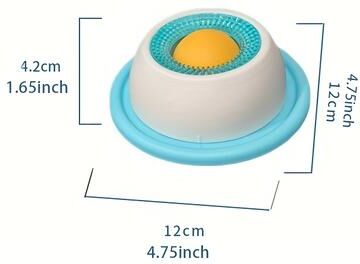
Inspire Daily Merch Slow Feeder For Dogs Interactive Lick Toys Food Dispenser Cat Feeding Crate Accessory blueInteractive Lick Toys for Dogs Our interactive dog toys are designed to provide hours of enjoyment while also promoting healthy eating habits. The lick toys for dogs are ideal for reducing anxiety and boredom, especially for dogs that are left alone...31,97 $*Shipping: 0,00 $Secure redirect to the provider
-
Libero Newborn Diapers 34 un. 3-6 kgA skin-care product. Because the first few months of your baby are the best. This product are designed for the first months of life of your little baby. The ideal diaper for the arrival of your baby. It is ideal for babies who sleep on their back. They are ultra soft, with special absorption bags to prevent any leakage into the belly or baby back.8,72 £*Shipping: 10,02 £Secure redirect to the provider



-
How is cloning applied?
Cloning is applied in various fields such as agriculture, medicine, and research. In agriculture, cloning is used to produce genetically identical plants or animals with desirable traits, such as disease resistance or high yield. In medicine, cloning is used to create stem cells for potential therapeutic purposes, or to produce animal models for studying diseases. In research, cloning is used to study genetic and developmental processes, as well as to preserve endangered species. Overall, cloning has a wide range of applications with potential benefits in different fields. **
-
How does cloning work?
Cloning is the process of creating a genetically identical copy of an organism. In the case of reproductive cloning, the nucleus of a donor cell is inserted into an egg cell that has had its nucleus removed. The egg cell is then stimulated to divide and develop into an embryo, which is then implanted into a surrogate mother. In the case of therapeutic cloning, the cloned embryo is used to harvest stem cells for medical research and potential treatment of diseases. The process of cloning has ethical and scientific implications and continues to be a topic of debate and research. **
-
What do you think about human cloning and the associated therapeutic cloning?
I believe that human cloning raises ethical concerns regarding individuality, identity, and the potential exploitation of cloned individuals. However, therapeutic cloning, which involves creating cloned embryos for medical research and potential treatments, holds promise for advancing regenerative medicine and treating various diseases. It is important to carefully consider the ethical implications and regulations surrounding these practices to ensure that they are used responsibly and ethically. **
-
What is therapeutic cloning and what is the difference to reproductive cloning?
Therapeutic cloning, also known as somatic cell nuclear transfer, is a process in which a cell from a patient is used to create an embryo that is genetically identical to the patient. The purpose of therapeutic cloning is to harvest stem cells from the embryo, which can then be used for medical treatments and research. Reproductive cloning, on the other hand, is the process of creating a genetically identical copy of an organism. This is typically done by transferring the nucleus of a donor cell into an egg cell that has had its nucleus removed, and then implanting the resulting embryo into a surrogate mother. The goal of reproductive cloning is to produce a living organism with the same genetic makeup as the donor. The main difference between therapeutic cloning and reproductive cloning is the intended outcome: therapeutic cloning is focused on producing stem cells for medical purposes, while reproductive cloning is focused on creating a living organism. **

Why is cloning morally questionable?
Cloning is morally questionable for several reasons. Firstly, it raises ethical concerns about the potential exploitation of cloned individuals and the potential for creating life solely for the purpose of benefiting others. Additionally, cloning raises questions about the uniqueness and individuality of each person, as well as the potential psychological and emotional impact on the cloned individual. Furthermore, there are concerns about the potential for unintended consequences and the long-term effects of cloning on the natural diversity of the human population. Overall, the moral implications of cloning raise significant ethical concerns that need to be carefully considered. **
How can cloning be manipulated?
Cloning can be manipulated through various techniques such as somatic cell nuclear transfer, where the nucleus of a somatic cell is transferred into an enucleated egg cell to create a clone. Additionally, gene editing technologies like CRISPR can be used to modify the genetic material of the cloned organism. Cloning can also be manipulated through the use of different culture conditions and growth factors to enhance the development and viability of cloned embryos. Overall, cloning can be manipulated through a combination of genetic, cellular, and environmental techniques to achieve specific desired outcomes. **
Top-Angebote
Products related to Cloning:
-
Multicon Wholesale Hub Pet Feeding Station With Storage & Raised Dog Bowls Organizer For Food & Toys Pet Feeding Station With Storage & Raised Dog Bowls Organizer For Food & ToysKeep your dog's essentials organized with this multifunctional pet feeding station. Designed for easy access, this station features a raised bowl stand and ample storage for dog food, toys, and treats. Whether you're looking to declutter your...178,97 $*Shipping: 0,00 $Secure redirect to the provider
-
Perfect Picks Market Puppy Training Enrichment, Interactive Dog Toys, Cat Feeding Crate Accessory orangeBoost Your Dogs Health and Happiness with Interactive Dog Toys Give your dog a new, exciting way to enjoy feeding time with these interactive dog toys. The unique design of these lick toys for dogs promotes healthy chewing habits and helps reduce...29,97 $*Shipping: 0,00 $Secure redirect to the provider
-
Halibut Change Diapers Repair Ointment 50gA skin-care product for redness. This product helps to repair the skin on the persistent diaper rash. Repairing skin care in diaper rash. With zinc oxide and miconazole, they help to repair and control the proliferation of microorganisms in the skin. Indicated for irritation, diaper rash and/or redness in the baby's.11,64 £*Shipping: 5,34 £Secure redirect to the provider
-
Uplift Essentials Safety Eye Installation Tool For Plush Toys And Crochet Projects blueSimplify your plush toy and crochet crafting with the Safety Eye Installation Tool the musthave accessory for securely attaching safety eyes and washers. Designed to fit sizes from 5mm to 30mm, this tool helps you install eyes evenly and safely...41,97 $*Shipping: 0,00 $Secure redirect to the provider
-
Is cloning identity fraud?
Cloning is not the same as identity fraud. Cloning refers to the creation of a genetically identical copy of an organism, while identity fraud involves using someone else's personal information for fraudulent purposes. While cloning may raise ethical and moral concerns, it is not the same as the criminal act of identity fraud. However, the potential misuse of cloned genetic material could potentially lead to identity fraud if used to create false identities. **
-
What does cloning mean?
Cloning is the process of creating an identical copy of an organism or a specific gene or DNA sequence. This can be done through various techniques, such as somatic cell nuclear transfer or gene cloning. Cloning can be used for a variety of purposes, including scientific research, medical treatments, and agricultural practices. However, it also raises ethical and moral concerns, particularly when it comes to cloning humans. **
-
How is cloning applied?
Cloning is applied in various fields such as agriculture, medicine, and research. In agriculture, cloning is used to produce genetically identical plants or animals with desirable traits, such as disease resistance or high yield. In medicine, cloning is used to create stem cells for potential therapeutic purposes, or to produce animal models for studying diseases. In research, cloning is used to study genetic and developmental processes, as well as to preserve endangered species. Overall, cloning has a wide range of applications with potential benefits in different fields. **
-
How does cloning work?
Cloning is the process of creating a genetically identical copy of an organism. In the case of reproductive cloning, the nucleus of a donor cell is inserted into an egg cell that has had its nucleus removed. The egg cell is then stimulated to divide and develop into an embryo, which is then implanted into a surrogate mother. In the case of therapeutic cloning, the cloned embryo is used to harvest stem cells for medical research and potential treatment of diseases. The process of cloning has ethical and scientific implications and continues to be a topic of debate and research. **
Similar search terms for Cloning
-
Inspire Daily Merch Slow Feeder For Dogs Interactive Lick Toys Food Dispenser Cat Feeding Crate Accessory blueInteractive Lick Toys for Dogs Our interactive dog toys are designed to provide hours of enjoyment while also promoting healthy eating habits. The lick toys for dogs are ideal for reducing anxiety and boredom, especially for dogs that are left alone...31,97 $*Shipping: 0,00 $Secure redirect to the provider
-
Libero Newborn Diapers 34 un. 3-6 kgA skin-care product. Because the first few months of your baby are the best. This product are designed for the first months of life of your little baby. The ideal diaper for the arrival of your baby. It is ideal for babies who sleep on their back. They are ultra soft, with special absorption bags to prevent any leakage into the belly or baby back.8,72 £*Shipping: 10,02 £Secure redirect to the provider
-
T-TOMI BIO Muslin Diapers cloth nappies Gerda 2 pcT-TOMI BIO Muslin Diapers, 2 pc, Cloth Nappies For Kids, Nappies are an essential part of your baby-changing kit – and the ones made of cloth are a tried-and tested classic. T-TOMI BIO Muslin Diapers cloth nappies keep your baby dry and comfortable, they’re gentle on their sensitive skin, plus they’re environmentally friendly. Make the best choice and keep your baby happy. Characteristics: for your baby’s maximum comfort and happiness versatile use excellent absorption and softness best material for contact with delicate baby skin quality craftsmanship made in the Czech Republic Ingredients: 100% cotton How to use: Launder before first use.15,30 £*Shipping: 3,99 £Secure redirect to the provider
-
Perfect Picks Market Puppy Training Enrichment, Interactive Dog Toys, Cat Feeding Crate Accessory blueBoost Your Dogs Health and Happiness with Interactive Dog Toys Give your dog a new, exciting way to enjoy feeding time with these interactive dog toys. The unique design of these lick toys for dogs promotes healthy chewing habits and helps reduce...29,97 $*Shipping: 0,00 $Secure redirect to the provider
-
What do you think about human cloning and the associated therapeutic cloning?
I believe that human cloning raises ethical concerns regarding individuality, identity, and the potential exploitation of cloned individuals. However, therapeutic cloning, which involves creating cloned embryos for medical research and potential treatments, holds promise for advancing regenerative medicine and treating various diseases. It is important to carefully consider the ethical implications and regulations surrounding these practices to ensure that they are used responsibly and ethically. **
-
What is therapeutic cloning and what is the difference to reproductive cloning?
Therapeutic cloning, also known as somatic cell nuclear transfer, is a process in which a cell from a patient is used to create an embryo that is genetically identical to the patient. The purpose of therapeutic cloning is to harvest stem cells from the embryo, which can then be used for medical treatments and research. Reproductive cloning, on the other hand, is the process of creating a genetically identical copy of an organism. This is typically done by transferring the nucleus of a donor cell into an egg cell that has had its nucleus removed, and then implanting the resulting embryo into a surrogate mother. The goal of reproductive cloning is to produce a living organism with the same genetic makeup as the donor. The main difference between therapeutic cloning and reproductive cloning is the intended outcome: therapeutic cloning is focused on producing stem cells for medical purposes, while reproductive cloning is focused on creating a living organism. **
-
Why is cloning morally questionable?
Cloning is morally questionable for several reasons. Firstly, it raises ethical concerns about the potential exploitation of cloned individuals and the potential for creating life solely for the purpose of benefiting others. Additionally, cloning raises questions about the uniqueness and individuality of each person, as well as the potential psychological and emotional impact on the cloned individual. Furthermore, there are concerns about the potential for unintended consequences and the long-term effects of cloning on the natural diversity of the human population. Overall, the moral implications of cloning raise significant ethical concerns that need to be carefully considered. **
-
How can cloning be manipulated?
Cloning can be manipulated through various techniques such as somatic cell nuclear transfer, where the nucleus of a somatic cell is transferred into an enucleated egg cell to create a clone. Additionally, gene editing technologies like CRISPR can be used to modify the genetic material of the cloned organism. Cloning can also be manipulated through the use of different culture conditions and growth factors to enhance the development and viability of cloned embryos. Overall, cloning can be manipulated through a combination of genetic, cellular, and environmental techniques to achieve specific desired outcomes. **
* All prices are inclusive of VAT and, if applicable, plus shipping costs. The offer information is based on the details provided by the respective shop and is updated through automated processes. Real-time updates do not occur, so deviations can occur in individual cases. ** Note: Parts of this content were created by AI.