Buy babybrands.eu ?
We are moving the project
babybrands.eu .
Are you interested in purchasing the domain
babybrands.eu ?
domain@kv-gmbh.de · 0541-91531010
Buy babybrands.eu ?
How is the partitive formed?
The partitive is formed in French by using the preposition "de" followed by the definite article "le," "la," or "les." This combination contracts to form "du," "de la," or "des" before a singular or plural noun, respectively. For example, "some bread" is "du pain" and "some apples" is "des pommes." The partitive is used to indicate an unspecified quantity or portion of a mass noun. **
What is the French partitive article?
The French partitive article is used to indicate an unspecified quantity of a noun that cannot be counted. It is formed by combining the preposition "de" with the definite article corresponding to the noun's gender and number. For example, "du" is used with masculine singular nouns, "de la" with feminine singular nouns, and "des" with plural nouns. The partitive article is used in French to express concepts like some, any, or a part of something. **
Similar search terms for Partitive
Top-Angebote
Products related to Partitive:
-
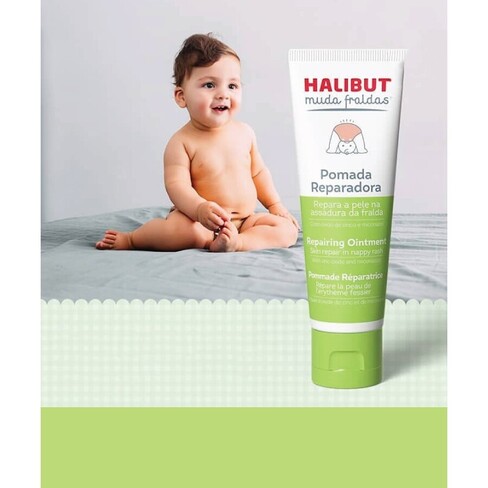
Halibut Change Diapers Repair Ointment 50gA skin-care product for redness. This product helps to repair the skin on the persistent diaper rash. Repairing skin care in diaper rash. With zinc oxide and miconazole, they help to repair and control the proliferation of microorganisms in the skin. Indicated for irritation, diaper rash and/or redness in the baby's.11,64 £*Shipping: 5,34 £Secure redirect to the provider
-
Uplift Essentials Safety Eye Installation Tool For Plush Toys And Crochet Projects purpleSimplify your plush toy and crochet crafting with the Safety Eye Installation Tool the musthave accessory for securely attaching safety eyes and washers. Designed to fit sizes from 5mm to 30mm, this tool helps you install eyes evenly and safely...41,97 $*Shipping: 0,00 $Secure redirect to the provider
-
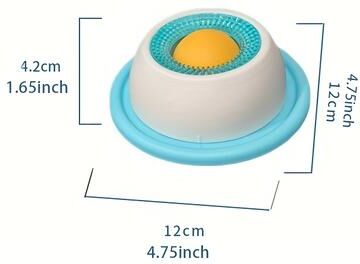
Inspire Daily Merch Slow Feeder For Dogs Interactive Lick Toys Food Dispenser Cat Feeding Crate Accessory blueInteractive Lick Toys for Dogs Our interactive dog toys are designed to provide hours of enjoyment while also promoting healthy eating habits. The lick toys for dogs are ideal for reducing anxiety and boredom, especially for dogs that are left alone...31,97 $*Shipping: 0,00 $Secure redirect to the provider
-
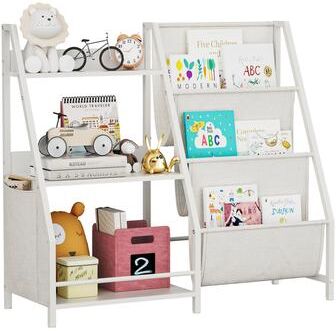
Kodotan sofa Kids Bookshelf and Toy Storage Organizer, Montessori Bookcase for Nursery, Wooden & Fabric Book Shelf with Anti-Tip SafetyThis kids bookshelf combines safe construction with a child-friendly height, encouraging toddlers to independently choose and organize their books.108,49 $*Shipping: 0,00 $Secure redirect to the provider


-
What are partitive articles in the French language?
Partitive articles in French are used to indicate an unspecified quantity of a noun. They are used when referring to a portion or some of a mass noun, such as food or liquid. The partitive articles in French are "du" (for masculine nouns), "de la" (for feminine nouns), and "de l'" (for nouns starting with a vowel or silent "h"). These articles are essential for expressing the concept of some or any in French. **
-
What is the rule for the partitive article?
The rule for the partitive article in French is to use "de" followed by the definite article (le, la, les) to indicate an unspecified quantity or some of a mass noun. For example, "du" is used for masculine singular nouns, "de la" for feminine singular nouns, and "des" for plural nouns. The partitive article is used when referring to an unknown or unspecified quantity of something. **
-
How do you form the genitive partitive in Latin?
In Latin, the genitive partitive is formed by using the genitive case of the noun followed by the word "partis" or "partis" (depending on the gender of the noun) to indicate a part of the whole. For example, if the noun is "puella" (girl), the genitive partitive would be "puellae partis" to indicate "part of the girl." This construction is used to express the idea of "some of" or "a part of" something. **
-
What are partitive articles and quantity increases in French?
Partitive articles in French are used to indicate an unspecified quantity of a noun. They are used with uncountable nouns or when referring to a portion of something. Quantity increases in French involve using words like "plus de" (more), "beaucoup de" (a lot of), or "trop de" (too much) to indicate an increase in the quantity of something. These expressions are used to specify a larger amount of a noun compared to using just the partitive article. **

When do you use the partitive article in French?
The partitive article in French is used to indicate an unspecified quantity of a mass noun. It is used when referring to a part of a whole, or an unspecified amount of something. For example, "du" is used for masculine nouns, "de la" for feminine nouns, and "de l'" for nouns starting with a vowel or silent "h". It is important to use the partitive article when talking about food, drinks, or other uncountable nouns in French. **
Can you please help me with the partitive article?
The partitive article is used in French to indicate an unspecified quantity of something. It is often used with uncountable nouns to express "some" or "any" in English. The partitive article changes depending on the gender and number of the noun it precedes. For example, "du" is used before masculine singular nouns, "de la" before feminine singular nouns, and "des" before plural nouns. It is important to use the correct partitive article to indicate the appropriate quantity in French. **
Top-Angebote
Products related to Partitive:
-
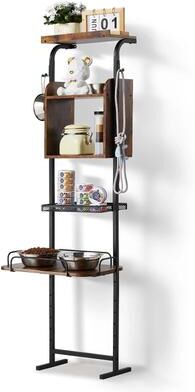
Multicon Wholesale Hub Pet Feeding Station With Storage & Raised Dog Bowls Organizer For Food & Toys Pet Feeding Station With Storage & Raised Dog Bowls Organizer For Food & ToysKeep your dog's essentials organized with this multifunctional pet feeding station. Designed for easy access, this station features a raised bowl stand and ample storage for dog food, toys, and treats. Whether you're looking to declutter your...178,97 $*Shipping: 0,00 $Secure redirect to the provider
-
Perfect Picks Market Puppy Training Enrichment, Interactive Dog Toys, Cat Feeding Crate Accessory blueBoost Your Dogs Health and Happiness with Interactive Dog Toys Give your dog a new, exciting way to enjoy feeding time with these interactive dog toys. The unique design of these lick toys for dogs promotes healthy chewing habits and helps reduce...29,97 $*Shipping: 0,00 $Secure redirect to the provider
-
Halibut Change Diapers Repair Ointment 50gA skin-care product for redness. This product helps to repair the skin on the persistent diaper rash. Repairing skin care in diaper rash. With zinc oxide and miconazole, they help to repair and control the proliferation of microorganisms in the skin. Indicated for irritation, diaper rash and/or redness in the baby's.11,64 £*Shipping: 5,34 £Secure redirect to the provider
-
Uplift Essentials Safety Eye Installation Tool For Plush Toys And Crochet Projects purpleSimplify your plush toy and crochet crafting with the Safety Eye Installation Tool the musthave accessory for securely attaching safety eyes and washers. Designed to fit sizes from 5mm to 30mm, this tool helps you install eyes evenly and safely...41,97 $*Shipping: 0,00 $Secure redirect to the provider
-
How is the partitive formed?
The partitive is formed in French by using the preposition "de" followed by the definite article "le," "la," or "les." This combination contracts to form "du," "de la," or "des" before a singular or plural noun, respectively. For example, "some bread" is "du pain" and "some apples" is "des pommes." The partitive is used to indicate an unspecified quantity or portion of a mass noun. **
-
What is the French partitive article?
The French partitive article is used to indicate an unspecified quantity of a noun that cannot be counted. It is formed by combining the preposition "de" with the definite article corresponding to the noun's gender and number. For example, "du" is used with masculine singular nouns, "de la" with feminine singular nouns, and "des" with plural nouns. The partitive article is used in French to express concepts like some, any, or a part of something. **
-
What are partitive articles in the French language?
Partitive articles in French are used to indicate an unspecified quantity of a noun. They are used when referring to a portion or some of a mass noun, such as food or liquid. The partitive articles in French are "du" (for masculine nouns), "de la" (for feminine nouns), and "de l'" (for nouns starting with a vowel or silent "h"). These articles are essential for expressing the concept of some or any in French. **
-
What is the rule for the partitive article?
The rule for the partitive article in French is to use "de" followed by the definite article (le, la, les) to indicate an unspecified quantity or some of a mass noun. For example, "du" is used for masculine singular nouns, "de la" for feminine singular nouns, and "des" for plural nouns. The partitive article is used when referring to an unknown or unspecified quantity of something. **
Similar search terms for Partitive
-
Inspire Daily Merch Slow Feeder For Dogs Interactive Lick Toys Food Dispenser Cat Feeding Crate Accessory blueInteractive Lick Toys for Dogs Our interactive dog toys are designed to provide hours of enjoyment while also promoting healthy eating habits. The lick toys for dogs are ideal for reducing anxiety and boredom, especially for dogs that are left alone...31,97 $*Shipping: 0,00 $Secure redirect to the provider
-
Kodotan sofa Kids Bookshelf and Toy Storage Organizer, Montessori Bookcase for Nursery, Wooden & Fabric Book Shelf with Anti-Tip SafetyThis kids bookshelf combines safe construction with a child-friendly height, encouraging toddlers to independently choose and organize their books.108,49 $*Shipping: 0,00 $Secure redirect to the provider
-
Perfect Picks Market Puppy Training Enrichment, Interactive Dog Toys, Cat Feeding Crate Accessory orangeBoost Your Dogs Health and Happiness with Interactive Dog Toys Give your dog a new, exciting way to enjoy feeding time with these interactive dog toys. The unique design of these lick toys for dogs promotes healthy chewing habits and helps reduce...29,97 $*Shipping: 0,00 $Secure redirect to the provider
-
Halibut Change Diapers Repair Ointment 50gA skin-care product for redness. This product helps to repair the skin on the persistent diaper rash. Repairing skin care in diaper rash. With zinc oxide and miconazole, they help to repair and control the proliferation of microorganisms in the skin. Indicated for irritation, diaper rash and/or redness in the baby's.11,64 £*Shipping: 5,34 £Secure redirect to the provider
-
How do you form the genitive partitive in Latin?
In Latin, the genitive partitive is formed by using the genitive case of the noun followed by the word "partis" or "partis" (depending on the gender of the noun) to indicate a part of the whole. For example, if the noun is "puella" (girl), the genitive partitive would be "puellae partis" to indicate "part of the girl." This construction is used to express the idea of "some of" or "a part of" something. **
-
What are partitive articles and quantity increases in French?
Partitive articles in French are used to indicate an unspecified quantity of a noun. They are used with uncountable nouns or when referring to a portion of something. Quantity increases in French involve using words like "plus de" (more), "beaucoup de" (a lot of), or "trop de" (too much) to indicate an increase in the quantity of something. These expressions are used to specify a larger amount of a noun compared to using just the partitive article. **
-
When do you use the partitive article in French?
The partitive article in French is used to indicate an unspecified quantity of a mass noun. It is used when referring to a part of a whole, or an unspecified amount of something. For example, "du" is used for masculine nouns, "de la" for feminine nouns, and "de l'" for nouns starting with a vowel or silent "h". It is important to use the partitive article when talking about food, drinks, or other uncountable nouns in French. **
-
Can you please help me with the partitive article?
The partitive article is used in French to indicate an unspecified quantity of something. It is often used with uncountable nouns to express "some" or "any" in English. The partitive article changes depending on the gender and number of the noun it precedes. For example, "du" is used before masculine singular nouns, "de la" before feminine singular nouns, and "des" before plural nouns. It is important to use the correct partitive article to indicate the appropriate quantity in French. **
* All prices are inclusive of VAT and, if applicable, plus shipping costs. The offer information is based on the details provided by the respective shop and is updated through automated processes. Real-time updates do not occur, so deviations can occur in individual cases. ** Note: Parts of this content were created by AI.