Buy babybrands.eu ?
We are moving the project
babybrands.eu .
Are you interested in purchasing the domain
babybrands.eu ?
domain@kv-gmbh.de · 0541-91531010
Buy babybrands.eu ?
How do I clean bath toys effectively?
To clean bath toys effectively, you can start by filling a bucket with warm water and adding a small amount of mild soap. Then, submerge the toys in the soapy water and scrub them with a sponge or brush to remove any dirt or grime. Rinse the toys thoroughly with clean water and allow them to air dry completely before storing them. It's also a good idea to clean bath toys regularly to prevent mold and bacteria buildup. **
How are baby diapers disposed of?
Baby diapers are typically disposed of in the trash. Some parents choose to wrap the soiled diaper in a plastic bag before throwing it away to contain any odors. In some areas, there are diaper disposal services that collect soiled diapers separately for proper disposal. It is important to never flush diapers down the toilet as they can cause blockages in the plumbing system. **
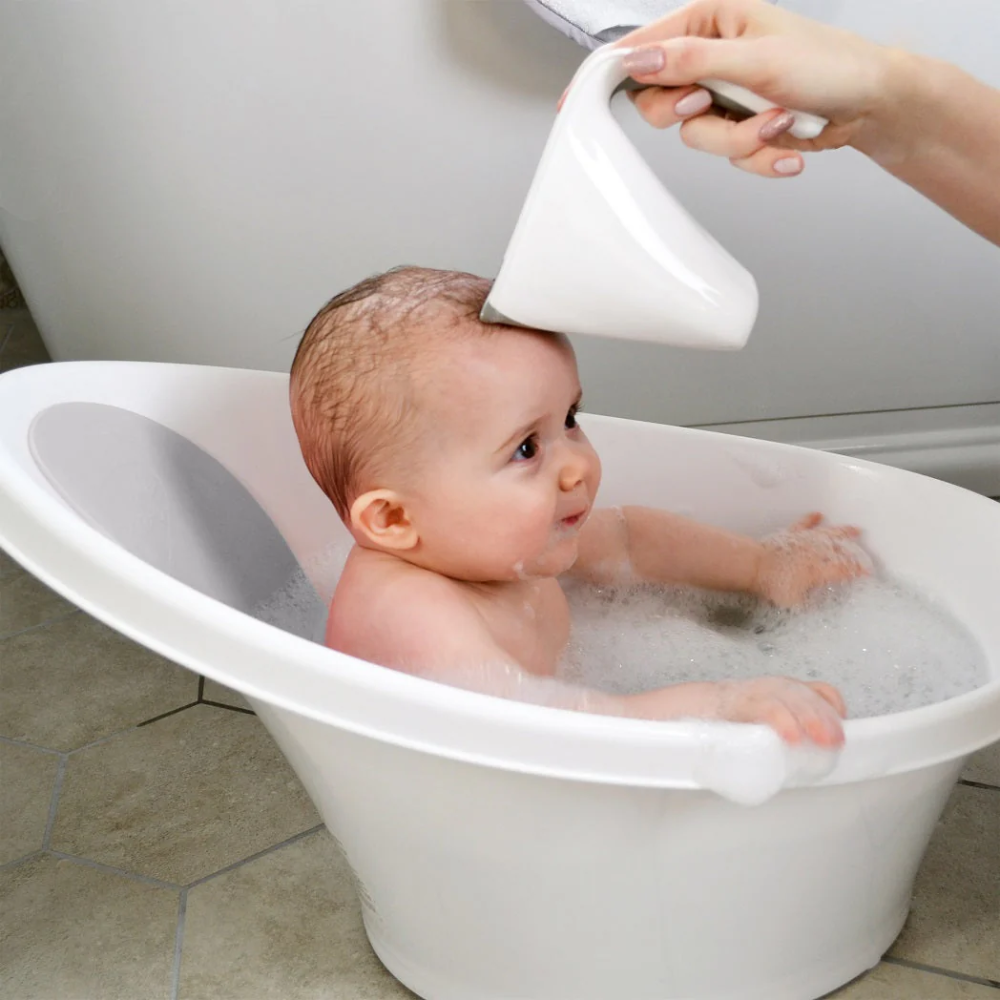

Similar search terms for Shnuggle-Washy-Baby-Bath
Top-Angebote
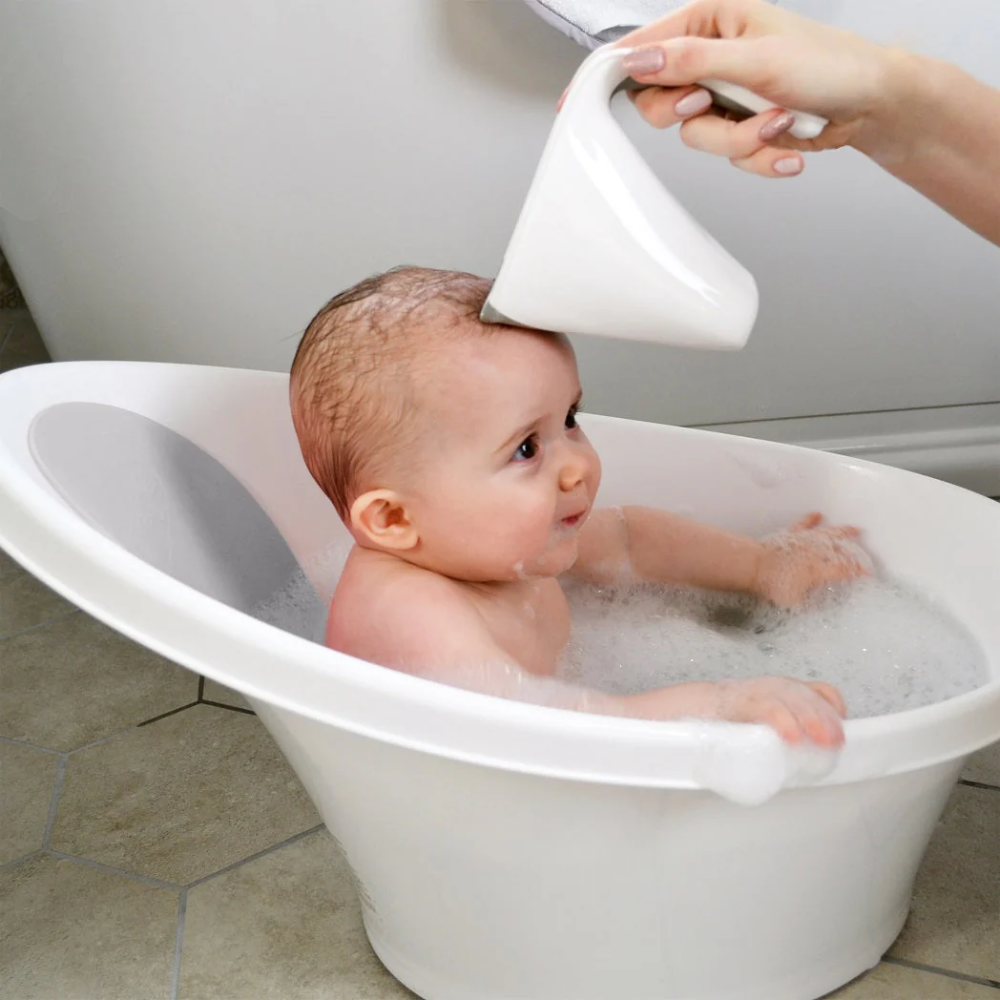
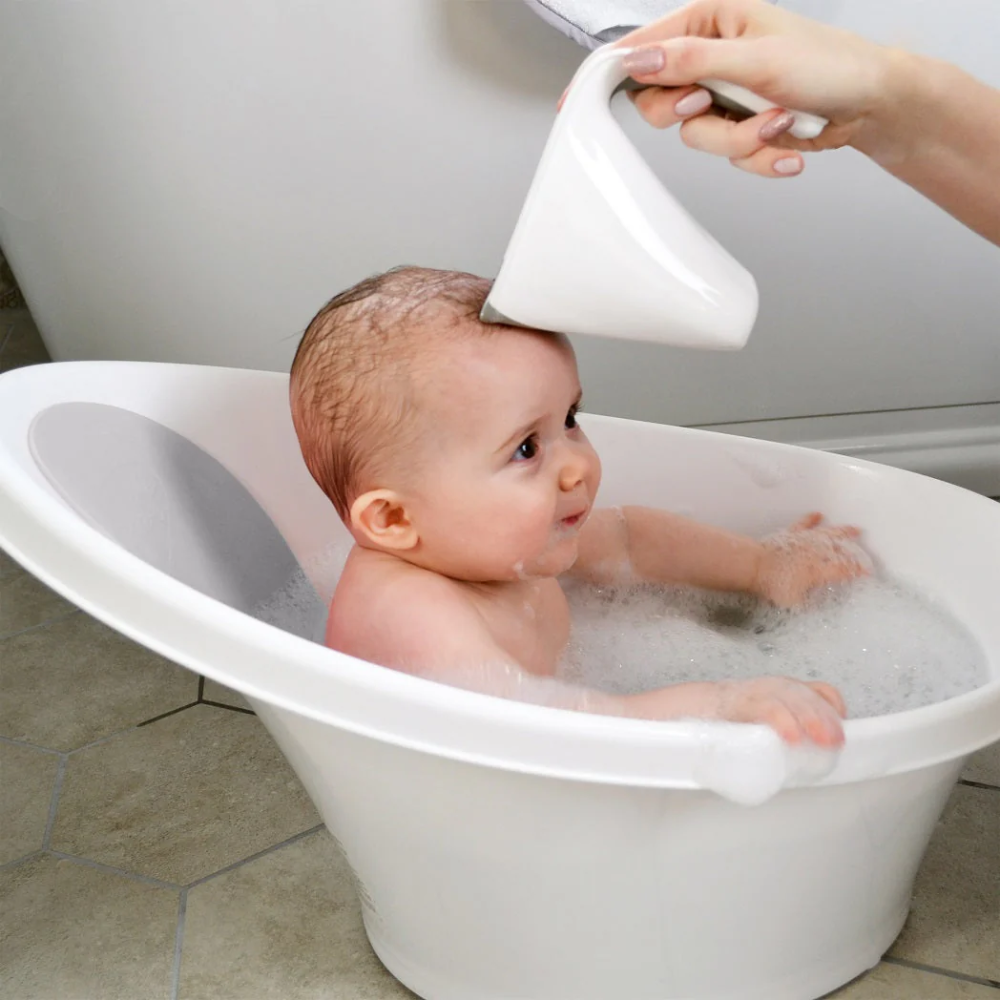
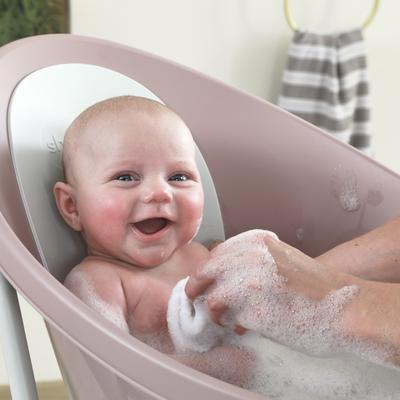
Products related to Shnuggle-Washy-Baby-Bath:

-
How can you fix bath toys with a bicycle repair kit?
To fix bath toys with a bicycle repair kit, you can use items such as rubber patches or adhesive patches to cover any holes or tears in the toys. These patches can be used to seal leaks in rubber or plastic bath toys. Additionally, you can use a small amount of waterproof glue to reinforce the patches and ensure a secure seal. This makeshift repair can help extend the life of your bath toys and prevent water from getting inside them. **
-
How can one repair bath toys with a bicycle repair kit?
To repair bath toys with a bicycle repair kit, you can use the adhesive patches that come in the kit to patch up any holes or tears in the bath toys. Simply clean and dry the affected area on the toy, apply the adhesive patch, and press down firmly to ensure it sticks properly. This method can help extend the life of your bath toys and prevent water from seeping in and causing further damage. **
-
Why water bath?
A water bath is used in scientific experiments and cooking for several reasons: 1. Temperature control: Water has a high specific heat capacity, meaning it can absorb and retain heat well. This makes it an ideal medium for maintaining a constant temperature during an experiment or cooking process. 2. Gentle heating: Water bath provides a gentle and uniform heat source, which is important for delicate samples or ingredients that may be sensitive to high temperatures. 3. Prevents evaporation: By using a water bath, the water can act as a barrier to prevent evaporation of the sample or ingredients being heated. 4. Safety: Using a water bath can help prevent direct contact between the heat source and the sample, reducing the risk of overheating or burning. Overall, a water bath is a versatile and effective tool for maintaining precise temperatures and ensuring consistent results in various scientific and culinary applications. **
-
Which bath salt?
There are many different types of bath salts available, each with their own unique benefits and properties. Some popular options include Epsom salt, which is known for its ability to soothe sore muscles and reduce inflammation, and Himalayan salt, which is believed to detoxify the body and promote relaxation. Dead Sea salt is another popular choice, known for its high mineral content and ability to improve skin conditions such as eczema and psoriasis. Ultimately, the best bath salt for you will depend on your specific needs and preferences. **

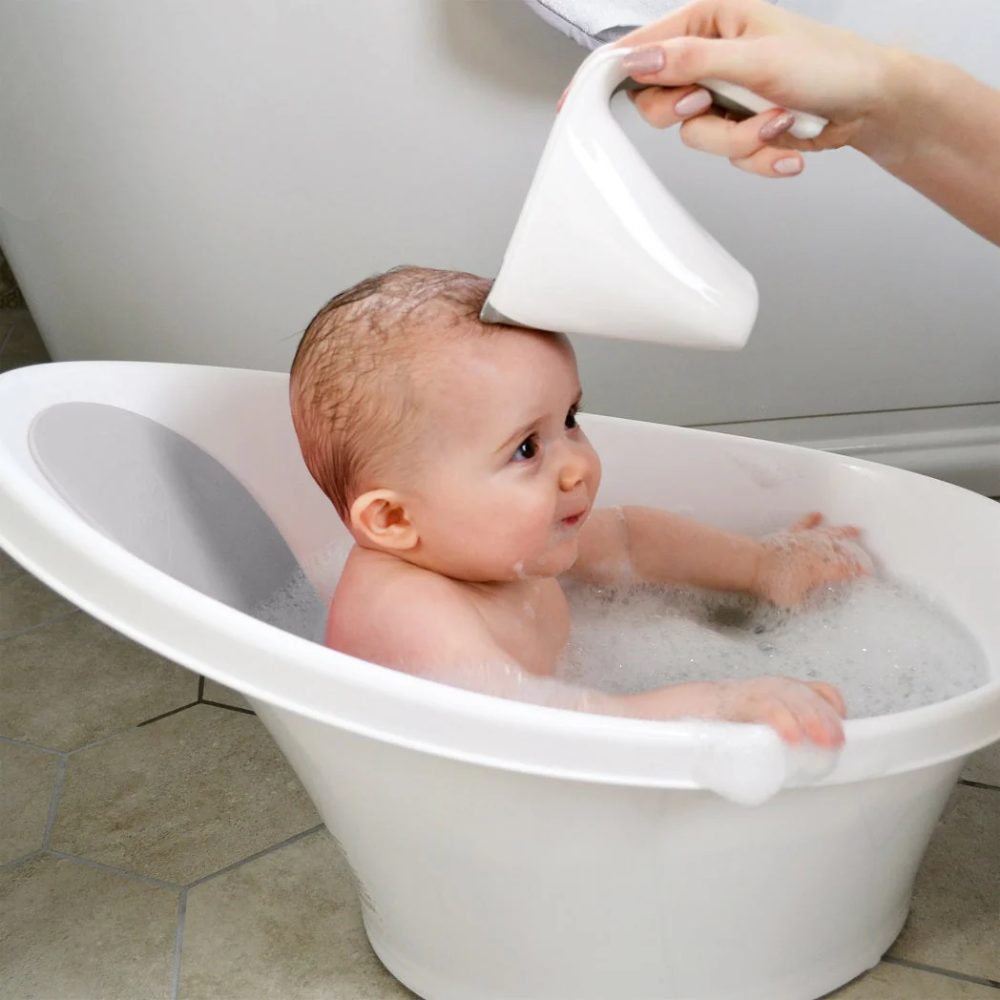
'Bath or shower?'
It ultimately depends on personal preference and lifestyle. Showers are typically quicker and more efficient for daily use, while baths can be more relaxing and luxurious for some people. Both have their own benefits, so it's important to choose the option that best suits your needs and preferences. **
How many diapers does a baby need per day?
On average, a newborn baby will need about 10-12 diapers per day. As the baby gets older, they will require fewer diapers, with infants typically using about 8-10 diapers per day. However, every baby is different, and the number of diapers needed can vary based on factors such as the baby's age, feeding habits, and individual metabolism. It's important for parents to monitor their baby's diaper usage and adjust accordingly. **
Top-Angebote
Products related to Shnuggle-Washy-Baby-Bath:
-
How do I clean bath toys effectively?
To clean bath toys effectively, you can start by filling a bucket with warm water and adding a small amount of mild soap. Then, submerge the toys in the soapy water and scrub them with a sponge or brush to remove any dirt or grime. Rinse the toys thoroughly with clean water and allow them to air dry completely before storing them. It's also a good idea to clean bath toys regularly to prevent mold and bacteria buildup. **
-
How are baby diapers disposed of?
Baby diapers are typically disposed of in the trash. Some parents choose to wrap the soiled diaper in a plastic bag before throwing it away to contain any odors. In some areas, there are diaper disposal services that collect soiled diapers separately for proper disposal. It is important to never flush diapers down the toilet as they can cause blockages in the plumbing system. **
-
How can you fix bath toys with a bicycle repair kit?
To fix bath toys with a bicycle repair kit, you can use items such as rubber patches or adhesive patches to cover any holes or tears in the toys. These patches can be used to seal leaks in rubber or plastic bath toys. Additionally, you can use a small amount of waterproof glue to reinforce the patches and ensure a secure seal. This makeshift repair can help extend the life of your bath toys and prevent water from getting inside them. **
-
How can one repair bath toys with a bicycle repair kit?
To repair bath toys with a bicycle repair kit, you can use the adhesive patches that come in the kit to patch up any holes or tears in the bath toys. Simply clean and dry the affected area on the toy, apply the adhesive patch, and press down firmly to ensure it sticks properly. This method can help extend the life of your bath toys and prevent water from seeping in and causing further damage. **
Similar search terms for Shnuggle-Washy-Baby-Bath
-
Why water bath?
A water bath is used in scientific experiments and cooking for several reasons: 1. Temperature control: Water has a high specific heat capacity, meaning it can absorb and retain heat well. This makes it an ideal medium for maintaining a constant temperature during an experiment or cooking process. 2. Gentle heating: Water bath provides a gentle and uniform heat source, which is important for delicate samples or ingredients that may be sensitive to high temperatures. 3. Prevents evaporation: By using a water bath, the water can act as a barrier to prevent evaporation of the sample or ingredients being heated. 4. Safety: Using a water bath can help prevent direct contact between the heat source and the sample, reducing the risk of overheating or burning. Overall, a water bath is a versatile and effective tool for maintaining precise temperatures and ensuring consistent results in various scientific and culinary applications. **
-
Which bath salt?
There are many different types of bath salts available, each with their own unique benefits and properties. Some popular options include Epsom salt, which is known for its ability to soothe sore muscles and reduce inflammation, and Himalayan salt, which is believed to detoxify the body and promote relaxation. Dead Sea salt is another popular choice, known for its high mineral content and ability to improve skin conditions such as eczema and psoriasis. Ultimately, the best bath salt for you will depend on your specific needs and preferences. **
-
'Bath or shower?'
It ultimately depends on personal preference and lifestyle. Showers are typically quicker and more efficient for daily use, while baths can be more relaxing and luxurious for some people. Both have their own benefits, so it's important to choose the option that best suits your needs and preferences. **
-
How many diapers does a baby need per day?
On average, a newborn baby will need about 10-12 diapers per day. As the baby gets older, they will require fewer diapers, with infants typically using about 8-10 diapers per day. However, every baby is different, and the number of diapers needed can vary based on factors such as the baby's age, feeding habits, and individual metabolism. It's important for parents to monitor their baby's diaper usage and adjust accordingly. **
* All prices are inclusive of VAT and, if applicable, plus shipping costs. The offer information is based on the details provided by the respective shop and is updated through automated processes. Real-time updates do not occur, so deviations can occur in individual cases. ** Note: Parts of this content were created by AI.