Buy babybrands.eu ?
We are moving the project
babybrands.eu .
Are you interested in purchasing the domain
babybrands.eu ?
domain@kv-gmbh.de · 0541-91531010
Buy babybrands.eu ?
Is it utilitarian or selfish?
It depends on the specific situation and context. Utilitarianism is a moral theory that focuses on maximizing overall happiness or well-being for the greatest number of people. If an action benefits the majority of individuals and promotes the greatest good, it can be considered utilitarian. On the other hand, if an action primarily serves one's own interests without regard for others, it may be seen as selfish. Ultimately, the distinction between utilitarian and selfish behavior is determined by the impact on others and the underlying intentions of the individual. **
What is a utilitarian action?
A utilitarian action is one that aims to maximize overall happiness or well-being for the greatest number of people. In utilitarianism, the morality of an action is determined by its consequences, with the most ethical action being the one that results in the greatest overall benefit. This ethical theory focuses on the outcomes of actions rather than the intentions behind them. Utilitarian actions prioritize the greatest good for the greatest number of individuals, often requiring individuals to make decisions that may not benefit themselves personally but benefit society as a whole. **


Similar search terms for Utilitarian
Top-Angebote
Products related to Utilitarian:
-
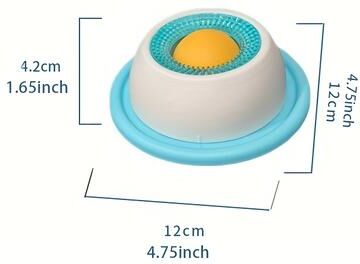
Perfect Picks Market Puppy Training Enrichment, Interactive Dog Toys, Cat Feeding Crate Accessory blueBoost Your Dogs Health and Happiness with Interactive Dog Toys Give your dog a new, exciting way to enjoy feeding time with these interactive dog toys. The unique design of these lick toys for dogs promotes healthy chewing habits and helps reduce...29,97 $*Shipping: 0,00 $Secure redirect to the provider
-
Halibut Change Diapers Repair Ointment 50gA skin-care product for redness. This product helps to repair the skin on the persistent diaper rash. Repairing skin care in diaper rash. With zinc oxide and miconazole, they help to repair and control the proliferation of microorganisms in the skin. Indicated for irritation, diaper rash and/or redness in the baby's.11,64 £*Shipping: 5,34 £Secure redirect to the provider
-
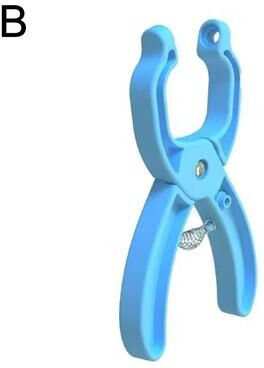
Uplift Essentials Safety Eye Installation Tool For Plush Toys And Crochet Projects blueSimplify your plush toy and crochet crafting with the Safety Eye Installation Tool the musthave accessory for securely attaching safety eyes and washers. Designed to fit sizes from 5mm to 30mm, this tool helps you install eyes evenly and safely...41,97 $*Shipping: 0,00 $Secure redirect to the provider
-
Inspire Daily Merch Slow Feeder For Dogs Interactive Lick Toys Food Dispenser Cat Feeding Crate Accessory blueInteractive Lick Toys for Dogs Our interactive dog toys are designed to provide hours of enjoyment while also promoting healthy eating habits. The lick toys for dogs are ideal for reducing anxiety and boredom, especially for dogs that are left alone...31,97 $*Shipping: 0,00 $Secure redirect to the provider


-
What is the correct utilitarian solution?
The correct utilitarian solution is to maximize overall happiness and minimize overall suffering for the greatest number of people. This means making decisions that result in the greatest net benefit for the majority of individuals, even if it may not benefit everyone equally. Utilitarianism focuses on the consequences of actions and seeks to promote the greatest good for the greatest number, taking into account the well-being of all individuals affected by the decision. It also emphasizes the importance of considering long-term effects and the potential impact on future generations. **
-
What is the utilitarian ethics of Bentham and Mill?
Utilitarian ethics, as proposed by Jeremy Bentham and John Stuart Mill, is a consequentialist theory that focuses on maximizing overall happiness or pleasure and minimizing pain or suffering. According to Bentham, actions should be judged based on their ability to produce the greatest amount of pleasure for the greatest number of people, known as the principle of utility. Mill expanded on this by introducing the concept of higher and lower pleasures, arguing that intellectual and moral pleasures are more valuable than physical pleasures. Both Bentham and Mill believed that the ultimate goal of ethics should be to promote the greatest happiness for the greatest number of individuals. **
-
What are the differences between deontological ethics and utilitarian ethics?
Deontological ethics, also known as duty-based ethics, focuses on the inherent rightness or wrongness of actions themselves, regardless of their consequences. It emphasizes following moral rules and duties, such as telling the truth or keeping promises, based on principles like the categorical imperative. On the other hand, utilitarian ethics, also known as consequentialist ethics, prioritizes the outcomes or consequences of actions. It aims to maximize overall happiness or well-being for the greatest number of people, often through the calculation of benefits and harms. While deontological ethics emphasizes duty and rules, utilitarian ethics prioritizes the greatest good for the greatest number. **
-
What is the difference between deontological ethics and utilitarian ethics?
Deontological ethics, also known as duty-based ethics, focuses on the inherent rightness or wrongness of actions themselves, regardless of their consequences. This means that certain actions are considered morally right or wrong based on whether they adhere to a set of rules or principles. On the other hand, utilitarian ethics, also known as consequentialist ethics, evaluates the morality of actions based on their outcomes or consequences. In utilitarianism, the rightness or wrongness of an action is determined by its ability to produce the greatest overall happiness or pleasure for the greatest number of people. **


How can one justify euthanasia from a utilitarian and deontological perspective?
From a utilitarian perspective, euthanasia can be justified if it results in the greatest overall happiness and minimizes suffering for the individual and their loved ones. If the person is in unbearable pain and their quality of life is extremely poor, euthanasia may be seen as the most compassionate choice to end their suffering. From a deontological perspective, euthanasia can be justified if it respects the individual's autonomy and right to make decisions about their own life and death. If the person has made a well-informed and voluntary decision to end their life, then it can be seen as morally permissible to honor their wishes. However, deontological ethics also emphasize the importance of respecting the sanctity of life, so the decision to pursue euthanasia should be carefully considered in light of these conflicting principles. **
How can euthanasia be justified from a utilitarian and deontological perspective?
From a utilitarian perspective, euthanasia can be justified if it results in the greatest overall happiness and minimizes suffering. If a terminally ill patient is in extreme pain and has no hope of recovery, euthanasia could be seen as a compassionate act that ends their suffering. From a deontological perspective, euthanasia can be justified if it upholds the principle of respecting an individual's autonomy and right to make decisions about their own life. If a person has made a rational and informed decision to end their life, then respecting their autonomy could be seen as a moral duty. However, deontological ethics also emphasize the importance of not treating individuals as mere means to an end, so careful consideration must be given to ensure that euthanasia is not being used for ulterior motives. **
Top-Angebote
Products related to Utilitarian:
-
Convenient Shelf,Utilitarian Corner Shelf,Wall Corner BookshelfConvenient Shelf,Utilitarian Corner Shelf,Wall Corner Bookshelf A Perfect Fit - Check out our newest star - a slick and vintage-themed 5-tiered rack. You'll find it to be an ideal fit for any nook and cranny in your house or workspace.206,99 $*Shipping: 0,00 $Secure redirect to the provider
-
Multicon Wholesale Hub Pet Feeding Station With Storage & Raised Dog Bowls Organizer For Food & Toys Pet Feeding Station With Storage & Raised Dog Bowls Organizer For Food & ToysKeep your dog's essentials organized with this multifunctional pet feeding station. Designed for easy access, this station features a raised bowl stand and ample storage for dog food, toys, and treats. Whether you're looking to declutter your...178,97 $*Shipping: 0,00 $Secure redirect to the provider
-
Perfect Picks Market Puppy Training Enrichment, Interactive Dog Toys, Cat Feeding Crate Accessory blueBoost Your Dogs Health and Happiness with Interactive Dog Toys Give your dog a new, exciting way to enjoy feeding time with these interactive dog toys. The unique design of these lick toys for dogs promotes healthy chewing habits and helps reduce...29,97 $*Shipping: 0,00 $Secure redirect to the provider
-
Halibut Change Diapers Repair Ointment 50gA skin-care product for redness. This product helps to repair the skin on the persistent diaper rash. Repairing skin care in diaper rash. With zinc oxide and miconazole, they help to repair and control the proliferation of microorganisms in the skin. Indicated for irritation, diaper rash and/or redness in the baby's.11,64 £*Shipping: 5,34 £Secure redirect to the provider
-
Is it utilitarian or selfish?
It depends on the specific situation and context. Utilitarianism is a moral theory that focuses on maximizing overall happiness or well-being for the greatest number of people. If an action benefits the majority of individuals and promotes the greatest good, it can be considered utilitarian. On the other hand, if an action primarily serves one's own interests without regard for others, it may be seen as selfish. Ultimately, the distinction between utilitarian and selfish behavior is determined by the impact on others and the underlying intentions of the individual. **
-
What is a utilitarian action?
A utilitarian action is one that aims to maximize overall happiness or well-being for the greatest number of people. In utilitarianism, the morality of an action is determined by its consequences, with the most ethical action being the one that results in the greatest overall benefit. This ethical theory focuses on the outcomes of actions rather than the intentions behind them. Utilitarian actions prioritize the greatest good for the greatest number of individuals, often requiring individuals to make decisions that may not benefit themselves personally but benefit society as a whole. **
-
What is the correct utilitarian solution?
The correct utilitarian solution is to maximize overall happiness and minimize overall suffering for the greatest number of people. This means making decisions that result in the greatest net benefit for the majority of individuals, even if it may not benefit everyone equally. Utilitarianism focuses on the consequences of actions and seeks to promote the greatest good for the greatest number, taking into account the well-being of all individuals affected by the decision. It also emphasizes the importance of considering long-term effects and the potential impact on future generations. **
-
What is the utilitarian ethics of Bentham and Mill?
Utilitarian ethics, as proposed by Jeremy Bentham and John Stuart Mill, is a consequentialist theory that focuses on maximizing overall happiness or pleasure and minimizing pain or suffering. According to Bentham, actions should be judged based on their ability to produce the greatest amount of pleasure for the greatest number of people, known as the principle of utility. Mill expanded on this by introducing the concept of higher and lower pleasures, arguing that intellectual and moral pleasures are more valuable than physical pleasures. Both Bentham and Mill believed that the ultimate goal of ethics should be to promote the greatest happiness for the greatest number of individuals. **
Similar search terms for Utilitarian
-
Uplift Essentials Safety Eye Installation Tool For Plush Toys And Crochet Projects blueSimplify your plush toy and crochet crafting with the Safety Eye Installation Tool the musthave accessory for securely attaching safety eyes and washers. Designed to fit sizes from 5mm to 30mm, this tool helps you install eyes evenly and safely...41,97 $*Shipping: 0,00 $Secure redirect to the provider
-
Inspire Daily Merch Slow Feeder For Dogs Interactive Lick Toys Food Dispenser Cat Feeding Crate Accessory blueInteractive Lick Toys for Dogs Our interactive dog toys are designed to provide hours of enjoyment while also promoting healthy eating habits. The lick toys for dogs are ideal for reducing anxiety and boredom, especially for dogs that are left alone...31,97 $*Shipping: 0,00 $Secure redirect to the provider
-
Perfect Picks Market Puppy Training Enrichment, Interactive Dog Toys, Cat Feeding Crate Accessory orangeBoost Your Dogs Health and Happiness with Interactive Dog Toys Give your dog a new, exciting way to enjoy feeding time with these interactive dog toys. The unique design of these lick toys for dogs promotes healthy chewing habits and helps reduce...29,97 $*Shipping: 0,00 $Secure redirect to the provider
-
Halibut Change Diapers Repair Ointment 50gA skin-care product for redness. This product helps to repair the skin on the persistent diaper rash. Repairing skin care in diaper rash. With zinc oxide and miconazole, they help to repair and control the proliferation of microorganisms in the skin. Indicated for irritation, diaper rash and/or redness in the baby's.11,64 £*Shipping: 5,34 £Secure redirect to the provider
-
What are the differences between deontological ethics and utilitarian ethics?
Deontological ethics, also known as duty-based ethics, focuses on the inherent rightness or wrongness of actions themselves, regardless of their consequences. It emphasizes following moral rules and duties, such as telling the truth or keeping promises, based on principles like the categorical imperative. On the other hand, utilitarian ethics, also known as consequentialist ethics, prioritizes the outcomes or consequences of actions. It aims to maximize overall happiness or well-being for the greatest number of people, often through the calculation of benefits and harms. While deontological ethics emphasizes duty and rules, utilitarian ethics prioritizes the greatest good for the greatest number. **
-
What is the difference between deontological ethics and utilitarian ethics?
Deontological ethics, also known as duty-based ethics, focuses on the inherent rightness or wrongness of actions themselves, regardless of their consequences. This means that certain actions are considered morally right or wrong based on whether they adhere to a set of rules or principles. On the other hand, utilitarian ethics, also known as consequentialist ethics, evaluates the morality of actions based on their outcomes or consequences. In utilitarianism, the rightness or wrongness of an action is determined by its ability to produce the greatest overall happiness or pleasure for the greatest number of people. **
-
How can one justify euthanasia from a utilitarian and deontological perspective?
From a utilitarian perspective, euthanasia can be justified if it results in the greatest overall happiness and minimizes suffering for the individual and their loved ones. If the person is in unbearable pain and their quality of life is extremely poor, euthanasia may be seen as the most compassionate choice to end their suffering. From a deontological perspective, euthanasia can be justified if it respects the individual's autonomy and right to make decisions about their own life and death. If the person has made a well-informed and voluntary decision to end their life, then it can be seen as morally permissible to honor their wishes. However, deontological ethics also emphasize the importance of respecting the sanctity of life, so the decision to pursue euthanasia should be carefully considered in light of these conflicting principles. **
-
How can euthanasia be justified from a utilitarian and deontological perspective?
From a utilitarian perspective, euthanasia can be justified if it results in the greatest overall happiness and minimizes suffering. If a terminally ill patient is in extreme pain and has no hope of recovery, euthanasia could be seen as a compassionate act that ends their suffering. From a deontological perspective, euthanasia can be justified if it upholds the principle of respecting an individual's autonomy and right to make decisions about their own life. If a person has made a rational and informed decision to end their life, then respecting their autonomy could be seen as a moral duty. However, deontological ethics also emphasize the importance of not treating individuals as mere means to an end, so careful consideration must be given to ensure that euthanasia is not being used for ulterior motives. **
* All prices are inclusive of VAT and, if applicable, plus shipping costs. The offer information is based on the details provided by the respective shop and is updated through automated processes. Real-time updates do not occur, so deviations can occur in individual cases. ** Note: Parts of this content were created by AI.